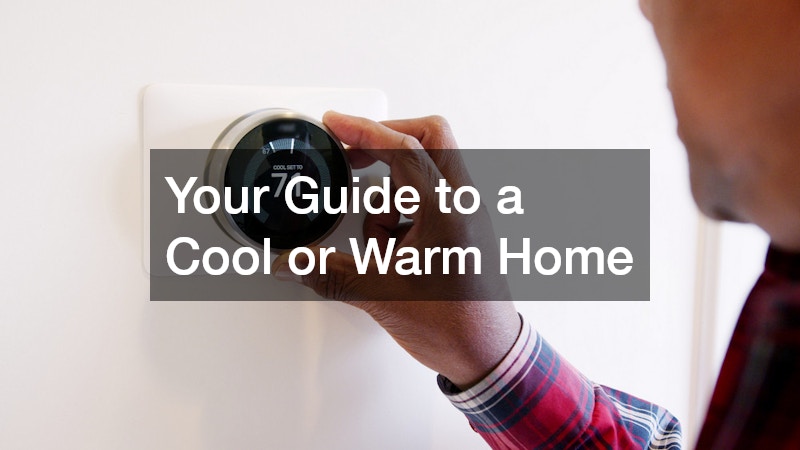
A comfortable home is about more than just maintaining the right temperature—it’s about creating a healthy, efficient, and inviting living environment year-round. From improving indoor air quality and maximizing HVAC performance to upgrading insulation and windows, every aspect of your home plays a role in enhancing comfort and reducing energy costs. By taking a proactive approach to home maintenance and investing in smart heating and cooling solutions, homeowners can enjoy better air quality, greater energy efficiency, and long-term savings. This guide explores practical strategies to help optimize your home, ensuring a healthier, more comfortable space for you and your family in every season.
Optimizing Your Home’s Air Quality
To maintain a home environment conducive to health, investing in improved indoor air quality is essential. This begins with regular air filter replacements, which prevent dust and allergens from circulating throughout your living spaces. Replacing filters according to manufacturer recommendations helps your HVAC system operate more efficiently while reducing airborne contaminants. Additionally, consider introducing houseplants, which naturally purify the air by absorbing toxins and releasing oxygen. Popular options such as spider plants and peace lilies can contribute to a fresher indoor environment.
Another effective way to enhance air quality is to install a heat recovery ventilator (HRV). An HRV can help exchange stale indoor air with fresh outdoor air while retaining some of the heat energy. This is particularly beneficial in colder climates where raw outdoor air would need to be heated extensively. By maintaining proper ventilation, homeowners can reduce excess humidity, prevent condensation issues, and create a more balanced indoor atmosphere.
Moreover, using a high-quality air purifier can significantly reduce pollutant levels in your home. These systems are especially beneficial in households with pets, smokers, or individuals who suffer from allergies and respiratory conditions. Doing so not only promotes improved indoor air quality but also ensures a healthier space for allergy sufferers and other sensitive occupants.
Utilizing AC Effectively
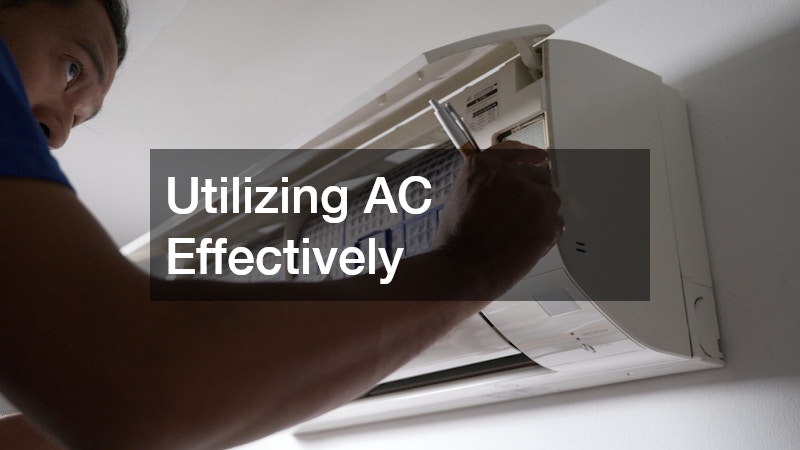
Air conditioners are essential tools in keeping your home cool during the warmer months. Begin by ensuring your air conditioning unit is appropriately sized for the space you aim to cool. An oversized unit will cycle on and off too quickly, failing to effectively dehumidify your home. Conversely, an undersized system may struggle to maintain comfortable temperatures, leading to increased wear and higher energy costs.
Regular cleaning of your air conditioner’s filters is crucial for maintaining its efficiency. Clogged filters force the system to work harder, increasing energy consumption and reducing its lifespan. Schedule periodic inspections to check for refrigerant leaks, which can impair cooling capacity and increase energy usage. Keeping vents unobstructed by furniture or curtains also helps ensure proper airflow throughout the home.
To optimize cooling efficiency, consider setting your thermostat a few degrees higher when you’re not home. Using a programmable thermostat allows for automatic adjustments, leading to substantial savings on your electricity bill without sacrificing comfort. Ceiling fans can also complement your cooling system by helping distribute conditioned air more evenly. This mindful usage extends the lifespan of your air conditioners while improving overall energy efficiency.
Prioritizing HVAC System Maintenance
Regular HVAC maintenance is imperative for the longevity and performance of your heating and cooling systems. Scheduling annual inspections can help identify potential issues before they escalate into costly repairs. Specialists recommend focusing on the calibration of your thermostat and ensuring the system’s components are functioning efficiently. Preventive maintenance often costs far less than emergency repairs and helps maintain consistent indoor comfort.
An overlooked aspect of HVAC maintenance is the cleaning and sealing of air ducts. Accumulated dust and debris can severely hinder airflow, affecting the system’s effectiveness and indoor air quality. Leaky ducts can also allow conditioned air to escape, increasing energy costs. Proper maintenance facilitates improved indoor air circulation and reduces allergens, contributing to health benefits and greater efficiency.
Additionally, keep an eye on external HVAC units to ensure they are free from obstructions such as leaves, dirt, or debris. Adequate clearance around the unit allows it to operate as intended and prevents unnecessary strain on system components. A well-maintained HVAC system is essential for keeping your home comfortable throughout the year while minimizing operating expenses.
Heating Things Up
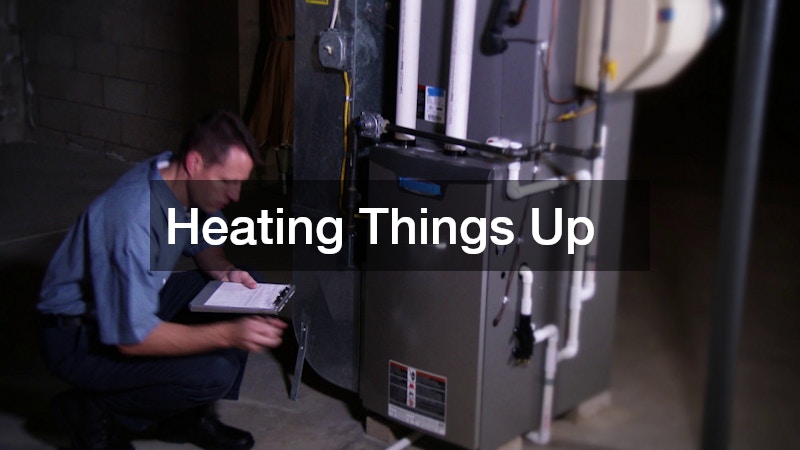
Heater oils are a reliable and efficient option for home heating. They provide consistent warmth and have a higher energy output compared to other heating fuels. This makes them an attractive choice for homes in regions with harsh winters where dependable heating is a necessity. Modern oil heating systems are also more efficient than many homeowners realize, offering improved performance and reduced fuel consumption.
The key to efficient use of heater oils lies in proper burner maintenance. Regular cleaning and adjustment of burners ensure optimal combustion, reducing waste and emissions. Investing in high-efficiency oil heating systems can result in significant energy savings and enhanced comfort. Routine inspections can also identify worn components before they lead to unexpected breakdowns during the coldest months of the year.
Furthermore, it’s crucial to have a reliable supplier that can provide a steady supply of heater oils. Timely heating oil delivery ensures uninterrupted comfort, preventing the inconvenience of running out during cold snaps. Some suppliers offer automatic delivery programs that monitor usage and schedule refills accordingly. This reliability aids in maintaining the desired level of warmth in your home while reducing stress during winter weather.
Reliable heating oil delivery simplifies maintaining a consistent home temperature during winter. Automated delivery services ensure you never deplete your supply, providing peace of mind amidst unpredictable weather. Providers often use advanced monitoring systems to gauge oil usage patterns, offering timely deliveries based on consumption trends. This proactive approach helps homeowners avoid interruptions in heating service and ensures their systems continue operating efficiently throughout the coldest months of the year.
Swiftly Managing Heating System Repairs
Addressing heating repairs quickly is essential to prevent minor issues from turning into major problems. A malfunctioning heating system can lead to uncomfortable living conditions and increased energy consumption. Familiarize yourself with common symptoms of heating issues, such as strange noises, uneven heating, unusual odors, or reduced heat output, so you can act promptly when problems arise.
Having a dependable heating repair service on call can save you from inconvenient breakdowns. Trained professionals can accurately diagnose and fix issues, ensuring your system runs smoothly and efficiently. Prompt repairs help prevent additional damage to system components, reducing the likelihood of more expensive repairs in the future. Preventative repairs also minimize the risk of unforeseen breakdowns and extend the life of your heating appliances.
Moreover, regular evaluations can help identify potential inefficiencies in your heating system before they affect performance. Addressing these inefficiencies can lead to improved comfort, lower energy bills, and more reliable operation throughout the heating season. Being proactive about heating repairs consistently delivers better outcomes and helps protect your investment in home comfort.
Warming the Home With a Fireplace

A visit to a fireplace store can help you choose the perfect hearth to both warm your space and enrich your home’s ambiance. From selecting wood-burning versions to gas fireplaces, stores offer a range of options to complement your interior design. Each type has distinct advantages that cater to varied preferences and lifestyle needs. Many modern fireplace designs can serve as stunning focal points that enhance the overall character and value of a home.
Fireplaces not only provide heat but also add to the aesthetic charm and atmosphere of a room. A gas fireplace offers easy ignition and consistent heating, while traditional wood-burning ones exude classic charm and a comforting aroma. Consult with a fireplace store expert to choose what best suits your family’s heating preferences and decorative aspirations. Professional guidance can help ensure the selected fireplace meets both efficiency standards and local building requirements.
Furthermore, modern fireplaces come with energy-efficient designs that distribute warmth effectively across large spaces. Integral safety features, like glass doors or automatic shut-off systems, enhance household security. Some models even include remote controls and programmable settings for added convenience. Investing in a quality fireplace through a reputable fireplace store ensures both style and utility are achieved in your living area for years to come.
Upgrading to the Right Windows
Old windows can be a significant source of energy loss in a home, making window replacements an essential upgrade. Energy-efficient windows minimize heat transfer, aiding temperature retention and reducing the need for heating and cooling. Such replacements can lead to substantial savings on energy bills while enhancing overall home comfort. They can also help eliminate drafts and cold spots that make certain rooms less enjoyable during extreme weather conditions.
Opt for windows with double or triple-pane glass for increased insulation benefits. These models feature low-emissivity coatings that reflect heat into the room during winter while also blocking solar heat during summer. Advanced window technologies can additionally reduce outside noise, creating a quieter and more peaceful indoor environment. Replacing outdated windows with modern, efficient versions is both a practical and aesthetic improvement that can boost curb appeal.
Professional installation is crucial to fully capitalize on the efficiency improvements offered by new window technologies. Proper sealing prevents drafts, moisture ingress, and further energy loss. Experienced installers can also identify and address hidden structural issues around window openings before they become larger problems. Window replacements can significantly impact the thermal efficiency and attractiveness of your home, making them a valuable long-term investment.
Controlling the Natural Light

Selecting the right window coverings plays a crucial role in regulating indoor temperature and light levels. Thermal curtains and blinds can prevent heated air from escaping in winter and keep out unwanted heat during summer. They serve as an additional insulation layer, improving energy efficiency and comfort. Homeowners who choose energy-conscious window treatments may notice reduced strain on their heating and cooling systems throughout the year.
Window coverings can also influence aesthetic appeal, providing privacy and style to your living spaces. From elegant draperies to sleek, modern shades, they cater to a variety of tastes and practical needs. Available in countless colors, fabrics, and designs, window treatments allow homeowners to personalize their interiors while supporting functional goals. The right choice balances visual attractiveness with practical benefits, enhancing indoor environments sustainably.
Many innovative window coverings incorporate smart technology, allowing users to automate opening and closing based on time or indoor temperature shifts. These systems optimize energy usage and contribute to maintaining a consistent indoor climate. Some smart coverings can even integrate with home automation platforms for seamless control. Integrating intelligent window coverings becomes a strategic decision to enhance home comfort, convenience, and long-term energy savings.
Insulating With Insulation
Proper insulation installation is a cornerstone of maintaining a stable internal temperature in any home. Insulation acts as a thermal barrier, reducing heat flow and maintaining desired conditions efficiently. Material options range from fiberglass to foam, each offering unique benefits suited to different environments and installation requirements. Selecting the right insulation type can significantly improve your home’s overall energy performance and comfort.
Installing insulation in critical areas, such as attics, walls, and basements, can drastically reduce heating and cooling needs. Professional assessment before insulation installation ensures the right materials and methods are used, maximizing effectiveness and longevity. Addressing gaps, air leaks, and poorly insulated spaces can deliver immediate improvements in energy efficiency. This proactive measure plays a key role in a comprehensive energy conservation strategy.
The long-term benefits of quality insulation installation extend beyond temperature regulation, also including noise reduction and enhanced structural integrity. Proper insulation can help minimize moisture issues that contribute to mold growth and building deterioration. Investing in proper insulation reflects a commitment to sustainability while increasing household comfort. An energy-efficient home with well-installed insulation translates into tangible economic and environmental rewards that continue for many years.
Creating a healthier, more comfortable home requires a combination of smart upgrades, routine maintenance, and thoughtful energy management. By focusing on indoor air quality, maintaining HVAC systems, optimizing heating and cooling equipment, and investing in improvements such as insulation, efficient windows, and quality window coverings, homeowners can significantly enhance both comfort and efficiency. These efforts not only help reduce energy consumption and utility costs but also contribute to a more sustainable and enjoyable living environment. Whether you’re making small adjustments or undertaking larger home improvements, each step toward better home performance adds lasting value, ensuring your home remains comfortable, healthy, and efficient for years to come.