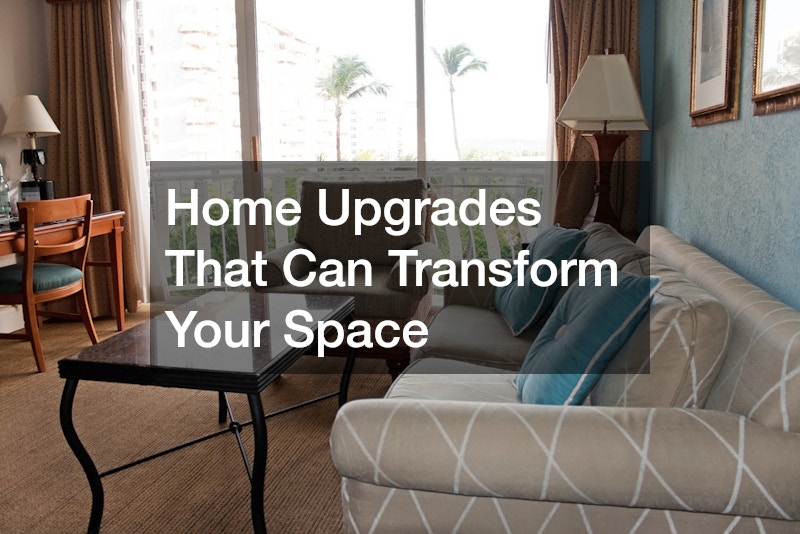
A home does not have to undergo a complete renovation to feel fresh, comfortable, and more functional. Sometimes, a few carefully selected upgrades can make a noticeable difference in how a space looks and how well it serves the people who live there. From improving everyday comfort to updating outdated features, homeowners have many opportunities to transform their surroundings without starting from scratch.
The most successful home improvements tend to balance appearance, practicality, durability, and long-term value. Some projects focus on highly visible areas, such as kitchens, bathrooms, and living rooms, while others address essential systems that are easy to overlook. Even seemingly minor improvements can have a major impact when they solve a recurring problem or make a frequently used space easier to enjoy.

Start With the Areas You Use Most
Before choosing a project, consider how your household actually uses the home. A beautiful upgrade is much more valuable when it improves everyday life. Think about rooms that feel cramped, areas that are difficult to organize, or features that have become inconvenient over time.
For example, a living room may benefit from better lighting, more flexible furniture arrangements, or updated flooring. A kitchen could become more functional with additional storage or improved work surfaces. Meanwhile, an unused room could be transformed into an office, hobby space, guest room, or entertainment area.
Rather than trying to change everything at once, prioritize improvements based on how frequently you will use them. This approach can also make larger renovation projects easier to manage because you can complete them in stages.
Refresh Walls With Color and Texture
One of the simplest ways to transform a room is by changing its walls. A fresh coat of paint can make an outdated room look dramatically different without requiring extensive construction. Light colors can make smaller rooms feel more open, while deeper shades can create a cozy atmosphere in larger spaces.
Paint is not the only option. Wallpaper, decorative paneling, exposed materials, and textured accent walls can introduce visual interest. An accent wall can also create a focal point without requiring every wall in the room to be redesigned.
When selecting colors, think about the mood you want to create. Soft neutrals can provide a calm foundation, while earthy shades can bring warmth into a space. Brighter colors can work well as accents through artwork, furnishings, and accessories.
Improve Flooring for an Immediate Difference
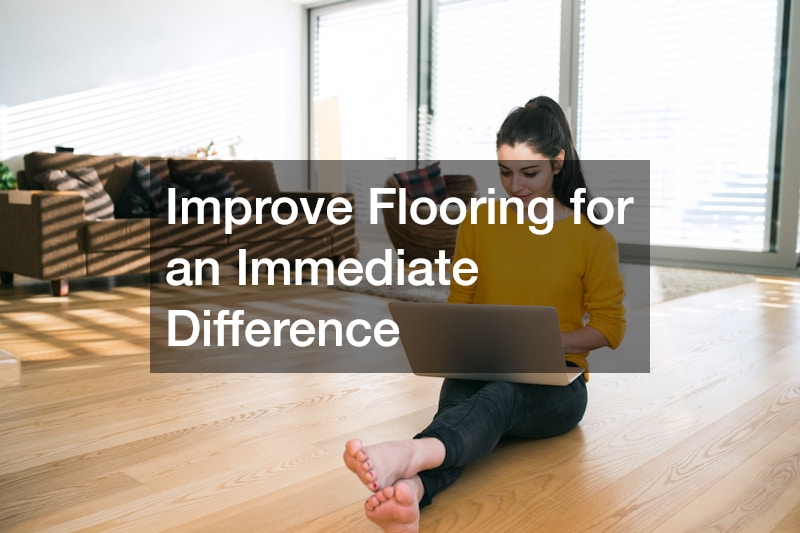
Flooring has a significant influence on the appearance of a room. Scratched, worn, or outdated flooring can make an otherwise attractive space feel tired. Replacing it can instantly change the character of a home.
Hardwood, engineered wood, luxury vinyl, tile, and laminate all offer different combinations of appearance, durability, maintenance requirements, and cost. The best option depends on the room and the needs of the household.
Textiles can also change the appearance of existing floors. Strategically placed area rugs can define seating areas, add warmth, introduce patterns, and make large rooms feel more inviting. They can also provide a relatively simple way to experiment with different colors and styles without committing to a permanent change.
Create a More Functional Kitchen
The kitchen is one of the most frequently used spaces in many homes, so improvements here can have an especially noticeable impact. A full kitchen renovation can be expensive, but homeowners do not necessarily need to replace everything to achieve a fresh look.
Cabinet hardware is one small detail that can make older cabinetry feel more contemporary. Painting or refinishing cabinets can also change the overall appearance while preserving the existing layout. New lighting under cabinets or above work surfaces can improve both visibility and ambiance.
Storage is another important consideration. Pull-out shelves, drawer organizers, pantry systems, and vertical storage can help make better use of available space. If countertops are outdated or damaged, replacing them can provide another significant visual improvement.
Even changing a backsplash can give the kitchen a new personality. Because backsplashes occupy a relatively small area, they can be an opportunity to experiment with color, texture, or pattern.
Give the Bathroom a New Look
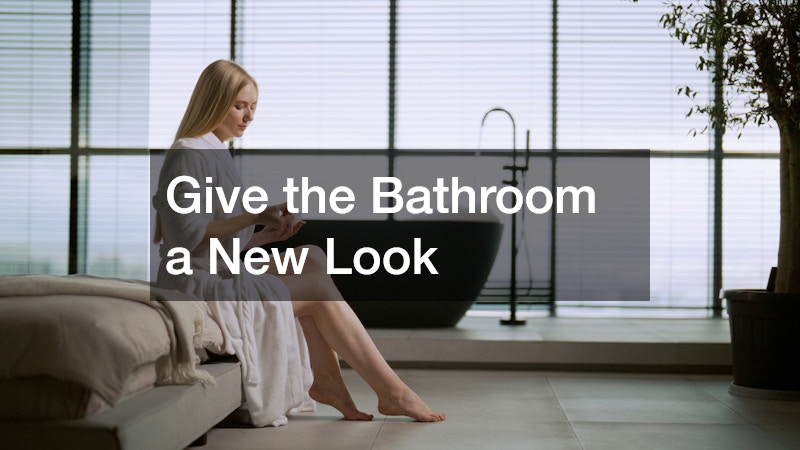
Bathrooms can often benefit from targeted improvements rather than complete reconstruction. Replacing outdated fixtures, mirrors, lighting, and hardware can create a more modern appearance. A new vanity can provide additional storage while becoming a focal point for the room.
Shower and tub areas deserve attention as well. Worn surfaces can make a bathroom appear older than it actually is. Updating finishes or replacing damaged materials can make the entire room feel cleaner and more comfortable.
Better lighting can also dramatically change the bathroom experience. Layered lighting, including general illumination and task lighting around mirrors, can make the room more practical while creating a more polished appearance.
For homeowners who want a larger project, expanding a shower, changing the layout, or adding built-in storage may create a more substantial transformation.
Transform an Underused Basement
An unfinished or underused basement represents valuable space that can potentially serve a much greater purpose. Basement remodeling can turn an overlooked area into a family room, home office, workout area, entertainment space, guest suite, or combination of several functions.
Before focusing on finishes, homeowners should consider moisture control, insulation, lighting, electrical needs, and overall comfort. Addressing these foundational concerns helps create a space that feels like a true extension of the home rather than an afterthought.
A basement can also be designed with flexibility in mind. Movable furniture and multipurpose storage allow the room to evolve as household needs change. For example, a playroom can eventually become a study area or entertainment room.

Make Outdoor Areas More Inviting
Home improvements do not have to stop at the exterior walls. Outdoor spaces can become extensions of the living area, especially when they are designed for relaxing, dining, entertaining, or spending time with family.
A patio or deck can be improved with comfortable seating, outdoor lighting, planters, and shade. Even a small backyard can feel more purposeful when different areas are given specific functions.
Landscaping can also make a major difference. Adding trees, shrubs, flower beds, or low-maintenance plants can improve the appearance of the property while creating more privacy and visual interest.
For homes with swimming pools, regular maintenance is essential to keeping the outdoor area enjoyable. Monitoring pool maintenance pH is one part of maintaining balanced pool water and protecting equipment and surfaces.
Upgrade the Home’s Roofing System
Some of the most important home upgrades are not necessarily the ones homeowners notice every day. The roof protects the structure from weather and plays an important role in the overall condition of the property.
If the roof is aging, damaged, or showing signs of wear, an inspection can help determine whether repairs or replacement may be appropriate. A residential roofing contractor can evaluate the roof’s condition and help homeowners understand their options.
For homeowners considering a replacement, there are numerous roofing materials to evaluate. Metal roofing contractors can provide information about metal roofing options, including their appearance, durability, and maintenance considerations. Other materials may offer different benefits, so the right choice depends on the property’s design, climate, budget, and long-term goals.
Roofing improvements can also contribute to curb appeal. A new roof can give an older exterior a cleaner, more cohesive appearance.
Improve Heating and Indoor Comfort
A home can look beautiful and still feel uncomfortable if its heating system is struggling. Temperature inconsistencies, unusual noises, or recurring heating problems can indicate that a system needs professional attention.
Working with a heating repair contractor can help homeowners identify problems and determine whether a repair is appropriate. Regular maintenance can also help homeowners identify developing issues before they become more disruptive.
Beyond repairs, homeowners can consider improvements such as programmable or smart thermostats, better insulation, and air sealing. These upgrades can improve comfort by helping the home maintain more consistent indoor temperatures.
Window improvements can also make a difference. Replacing old windows or improving weatherstripping around existing ones may help reduce drafts and create a more comfortable indoor environment.
Address Plumbing Problems Before They Become Major Projects
Plumbing is another area where preventative improvements can protect the home. Small leaks, recurring drain problems, or aging pipes may not seem like major concerns at first, but ignoring them can eventually lead to more extensive damage.
When appropriate, a pipe lining service may provide a way to address certain pipe problems without traditional excavation. Depending on the condition and configuration of the plumbing system, specialized rehabilitation methods may be worth discussing with a qualified professional.
Homeowners should also pay attention to water pressure, unusual odors, slow drains, damp areas, and unexplained changes in water usage. Addressing these warning signs early can make maintenance easier and potentially prevent more significant problems.
Modernize the Garage
Garages are often overlooked when homeowners plan improvements, even though they can occupy a substantial portion of the property. Improving the garage can make the home more functional and organized.
Storage cabinets, wall-mounted systems, overhead racks, and improved lighting can turn a cluttered garage into a useful workspace or storage area. Durable flooring can also make the space easier to clean and maintain.
The garage door deserves attention as well. A malfunctioning door can create security concerns and make everyday routines frustrating. If the problem involves a damaged spring, professional broken garage door spring repair may be necessary. Because garage door components can be under significant tension, repairs are generally best handled by trained professionals.
Replacing an outdated garage door can also improve curb appeal because the door is often highly visible from the street.
Protect the Home From Unwanted Visitors
Home transformation is not only about aesthetics. A comfortable home should also be a well-maintained home. Pests can cause property damage, create unpleasant conditions, and interfere with everyday enjoyment.
Homeowners who notice insects, rodents, nests, droppings, or other warning signs may want to contact local pest control professionals for an evaluation. Preventative measures can include sealing entry points, correcting moisture problems, keeping food properly stored, and maintaining the surrounding landscape.
Keeping the home’s exterior in good condition can also reduce opportunities for pests to enter. Cracks, gaps, damaged screens, and openings around pipes or utility lines should be addressed when they are discovered.
Improve Lighting Throughout the House
Lighting is one of the most effective ways to change a home’s atmosphere. A room with inadequate lighting can feel smaller and less inviting, while thoughtful lighting can emphasize architectural features and make everyday activities easier.
Consider using several types of lighting rather than relying on a single overhead fixture. Ambient lighting provides general illumination, task lighting helps with specific activities, and accent lighting can highlight artwork, shelving, architectural details, or decorative features.
Replacing outdated fixtures can also give a room a quick style update. Pendant lights, wall sconces, floor lamps, and under-cabinet lighting offer opportunities to add both function and personality.
Natural light should also be considered. Keeping windows unobstructed, using lighter window treatments, and arranging furniture strategically can help make better use of available daylight.
Organize Before You Renovate
Sometimes, the most transformative upgrade is simply getting better control over clutter. Before spending money on major renovations, look at whether the existing space is being used efficiently.
Built-in shelving, closet systems, storage benches, baskets, and drawer organizers can make rooms feel significantly more spacious. Removing items that are no longer useful can have an equally powerful effect.
Organization is especially important after a major renovation or move. A moving company can help with the physical process of relocating belongings, but thoughtful organization afterward determines how effectively the new space functions.
Instead of filling every available area with furniture and decorations, leave some open space. A room does not need to be packed with belongings to feel complete.
Focus on Energy Efficiency
Energy-efficient improvements can make a home more comfortable while potentially reducing energy consumption. Simple upgrades might include LED lighting, improved insulation, weatherstripping, efficient appliances, and smart controls.
Windows and doors are particularly important because gaps and poor seals can contribute to drafts. Sealing air leaks around the home can help maintain more consistent indoor temperatures.
Homeowners considering larger upgrades can evaluate their heating and cooling equipment, water heater, insulation, and electrical systems. The best improvements depend on the home’s age, current equipment, local climate, and household priorities.
Choose Improvements That Fit Your Lifestyle
Ultimately, the best home upgrades are the ones that make the property work better for the people living there. A homeowner who loves entertaining may prioritize an improved kitchen and outdoor gathering area. Someone who works remotely may benefit more from a dedicated office. A growing household may need additional storage and flexible rooms.
It is also important to consider the home’s long-term needs. An upgrade should not only look attractive immediately but also make sense several years from now. Durable materials, practical layouts, easy maintenance, and adaptable spaces can help improvements continue providing value.
Homeowners should also avoid taking on too many projects at once. A phased approach can make it easier to establish priorities, manage costs, and evaluate how each improvement changes the way the home feels.
Transforming a home does not require completely rebuilding it. From refreshed walls and improved lighting to upgraded kitchens, finished basements, outdoor living spaces, and essential maintenance projects, there are countless ways to make a property more attractive and functional.
The key is to look beyond trends and focus on what will genuinely improve everyday life. By identifying the home’s biggest opportunities, choosing projects carefully, and balancing style with practicality, homeowners can create spaces that feel more comfortable, organized, and uniquely their own. The most successful upgrades are ultimately those that make a house feel like a better place to live.