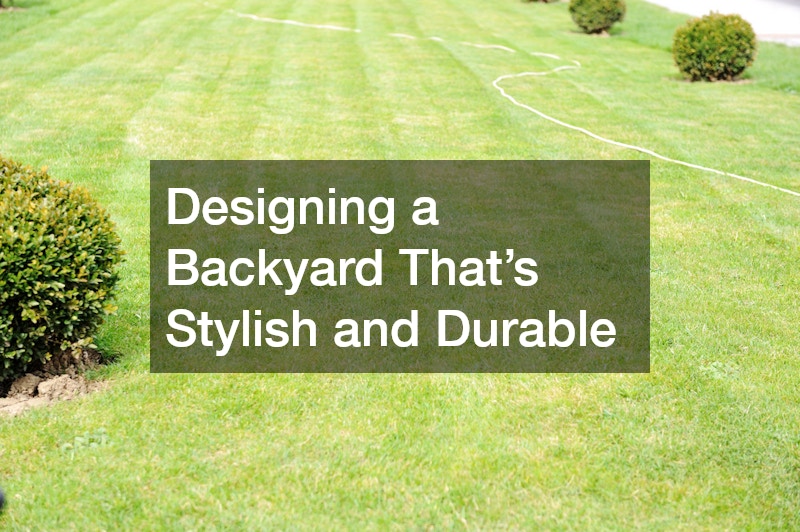
Designing a backyard that truly lasts starts long before any materials are installed or furniture is placed. It begins with clarity. What do you actually want from the space—not just this summer, but five or ten years from now?
Some homeowners picture quiet mornings with coffee under the shade. Others imagine hosting large weekend gatherings or giving kids room to play freely. The key is not trying to do everything at once, but organizing your yard into purposeful zones that can evolve over time.
A practical way to approach this is to sketch out your yard and assign roles to each section:
- A lounging or relaxation area
- A dining or entertaining zone
- A functional space for storage or utilities
- Optional features like gardens or water elements
This early planning stage is also where structural decisions matter most. If you’re considering adding a patio, retaining wall, or multi-level layout, working with residential concrete contractors can ensure that the base of your design is stable and built to last. Poor foundational work often leads to cracks, drainage issues, or uneven surfaces down the line.
Similarly, if a pool is part of your long-term vision, bringing in a swimming pool contractor early helps align grading, drainage, and layout with the rest of your yard. Retrofitting a pool later can disrupt everything from pathways to landscaping.
Think of this stage as building the bones of your backyard. When done thoughtfully, everything else—from furniture to finishes—fits more naturally into place.
Choosing Ground Surfaces That Balance Beauty and Strength
The ground beneath your feet is one of the most overlooked aspects of backyard design, yet it takes the most wear over time. Choosing the right surface isn’t just about appearance—it’s about durability, maintenance, and how the space will be used.
Concrete remains one of the most reliable options for patios and walkways, especially when sealed properly. Pavers offer flexibility and visual appeal, but require careful installation to prevent shifting. Gravel can be cost-effective, though it may need frequent upkeep to stay level.
For larger areas like extended driveways or multi-use outdoor zones, residential asphalt paving can be a smart solution. It provides a smooth, durable surface that handles weather changes well, especially when maintained with periodic sealing.
To avoid common issues:
- Ensure proper grading so water flows away from structures
- Use a solid base layer beneath any surface material
- Choose textures that reduce slipping when wet
Imagine stepping out after a heavy rain and not worrying about puddles, mud, or uneven footing. That’s the difference thoughtful surface planning makes—it quietly improves your experience every single day.
Creating Privacy and Definition Without Closing Off Space
A well-designed backyard feels both open and protected. Striking that balance often comes down to how you define the edges of your space.
Fencing is one of the most effective ways to create privacy, but it doesn’t have to feel restrictive. The right design can enhance your yard’s style while still allowing airflow and light to pass through.
Materials play a big role here. Wood offers warmth and versatility, while metal or composite options can provide a more modern, low-maintenance look. The key is choosing something that complements your home rather than competing with it.
Working with professionals on custom fencing allows you to tailor height, spacing, and design details to your exact needs. For example, a slightly taller fence along one side might block a neighbor’s view, while a more open design elsewhere keeps the space feeling expansive.
You can also soften boundaries by layering in landscaping—think climbing plants, shrubs, or decorative panels. These elements blur the line between structure and nature, making the space feel more intentional and inviting.
Building Covered Spaces That Handle Weather Gracefully
Outdoor spaces become far more usable when they offer protection from the elements. A well-designed covered area can turn a backyard into a true extension of your home.
Pergolas, gazebos, and roofed patios each serve different purposes. A pergola provides filtered light and architectural interest, while a fully covered structure offers complete protection from rain and intense sun.
When planning these additions, durability should guide your material choices. Weather-resistant woods, powder-coated metals, and composite materials tend to hold up better over time with minimal maintenance.
If your design includes a roofed structure, consulting local roofers ensures that the construction integrates properly with your home and can withstand local weather conditions. This is especially important in areas prone to heavy rain or strong winds.
Small details can make a big difference:
- Proper ventilation prevents heat buildup
- Strategic orientation maximizes shade during peak hours
- Integrated lighting extends usability into the evening
Picture a late afternoon gathering where guests stay comfortable despite the heat or a sudden drizzle. That’s the value of designing with the elements in mind rather than reacting to them later.
Designing an Outdoor Kitchen That Feels Effortless to Use
An outdoor kitchen can quickly become the heart of your backyard—but only if it’s designed with both durability and usability in mind.
Start by thinking through how you’ll actually use the space. Will you be grilling occasionally, or preparing full meals outdoors? The answer shapes everything from layout to material selection.
Surfaces are especially important here. Exposure to sun, moisture, and temperature changes means not all materials will hold up. Investing in professional kitchen countertop installation ensures that your surfaces are not only visually appealing but also resistant to cracking, staining, and heat damage.
Storage is another key element. A skilled cabinet maker can create custom solutions that protect utensils, cookware, and supplies from the elements while keeping everything within easy reach.
To make the space feel intuitive:
- Keep prep, cooking, and serving areas within a comfortable distance
- Include adequate lighting for evening use
- Choose finishes that are easy to clean and maintain
A well-designed outdoor kitchen doesn’t feel like a separate project—it feels like a natural extension of how you already live.
Managing Water Flow Before It Becomes a Problem
Water has a way of revealing design flaws over time. What looks perfect on a sunny day can quickly become problematic after a heavy rain.
Proper drainage is essential for protecting both your yard and your home. Without it, you may encounter pooling water, soil erosion, or even structural damage.
Start by ensuring that your yard is graded to direct water away from key areas. This might involve subtle slopes that are barely noticeable but highly effective.
For more complex systems—like irrigation, outdoor sinks, or drainage solutions—working with plumbing contractors can help you design a setup that functions reliably year-round.
Consider incorporating:
- French drains to redirect excess water
- Permeable surfaces that allow water to seep through
- Smart irrigation systems that adjust based on weather conditions
When water is managed well, it becomes almost invisible. And that’s exactly the goal.
Adding Features That Make Everyday Use Easier
A backyard isn’t just something you look at—it’s something you use. The more thoughtfully you design for everyday functionality, the more enjoyable the space becomes.
Think beyond aesthetics and consider how people will move through and interact with the space. Clear pathways, accessible storage, and flexible seating arrangements all contribute to a smoother experience.
Even small details can have a big impact. For instance, if your backyard connects to a garage, ensuring that access points are in good condition matters. Addressing issues like garage door repair can improve both convenience and security.
Multi-purpose features are especially valuable. A bench with built-in storage, for example, serves both seating and organization needs without adding clutter.
The goal is to remove friction from daily use. When everything works seamlessly, you’re more likely to spend time outside—and that’s the whole point.
Blending Safety Into the Design Without Compromise
Safety doesn’t have to come at the expense of style. In fact, the best-designed backyards incorporate safety features so naturally that they feel like part of the aesthetic.
Lighting is one of the simplest ways to improve both safety and ambiance. Soft pathway lights, overhead fixtures, and accent lighting can guide movement while creating a warm atmosphere.
Surfaces should also be chosen with safety in mind. Slip-resistant materials around pools, patios, and walkways reduce the risk of accidents, especially in wet conditions.
For households in areas prone to severe weather, planning ahead can provide peace of mind. Incorporating a custom storm shelter into your backyard design ensures that you’re prepared without disrupting the overall look of the space.
Safety, when approached thoughtfully, becomes an invisible layer of comfort—something you feel without necessarily noticing.
Choosing Materials That Age Well Over Time
One of the biggest challenges in backyard design is finding materials that look good not just on day one, but years down the line.
Weather, sunlight, and regular use all take their toll. The key is selecting materials that either resist wear or develop character as they age.
For example, certain woods may weather into a soft gray tone that adds charm, while others require regular sealing to maintain their appearance. Metals with protective coatings can resist rust, while untreated options may deteriorate quickly.
When evaluating materials, consider:
- How they respond to your local climate
- The level of maintenance you’re willing to commit to
- Whether repairs can be done easily if needed
Durability isn’t just about strength—it’s about how gracefully something holds up over time.
Bringing Everything Together With Thoughtful Finishing Touches
The final layer of backyard design is where everything comes together. This is where structure meets personality, and functionality meets style.
Layering Landscaping for Depth and Balance
Landscaping plays a major role here. Plants soften hard edges, add color, and create a sense of depth. Choosing varieties that thrive in your region reduces maintenance while keeping the space vibrant.
Instead of treating landscaping as a single layer, think in tiers. Ground cover, mid-height shrubs, and taller plants or trees can work together to create a more natural, visually interesting environment. This layering effect helps avoid a flat or overly staged look.
It also helps to repeat certain plants or colors throughout the yard. Even subtle repetition—like the same type of shrub appearing in multiple zones—can quietly unify the space without making it feel overly designed.
Using Lighting to Shape Mood and Function
Lighting, textures, and small decorative elements help tie everything together. A well-placed light fixture or a carefully chosen piece of furniture can transform how a space feels.
Outdoor lighting works best when it serves more than one purpose. It should guide movement, highlight key features, and create atmosphere all at once. For example, pathway lighting ensures safe navigation, while soft uplighting can draw attention to trees or architectural elements.
Rather than relying on a single bright source, aim for a layered lighting approach:
- Low, subtle lights for pathways and edges
- Accent lighting to highlight focal points
- Ambient lighting for seating and gathering areas
This combination creates a warm, inviting environment that feels intentional rather than overly illuminated.
Mixing Textures to Avoid a Flat Look
Texture is often what separates a good backyard from a great one. When everything is too uniform—same materials, same finishes—the space can feel sterile.
Try blending different textures in a way that still feels cohesive. For instance, pairing smooth stone with rough wood, or combining soft fabrics with structured metal elements, adds contrast without chaos.
Even small touches—like woven outdoor rugs, textured planters, or layered cushions—can introduce warmth and make the space feel more lived-in.
Creating Subtle Focal Points
Every well-designed backyard benefits from one or two focal points that naturally draw the eye. These don’t have to be dramatic or expensive features.
A focal point could be:
- A seating area arranged around a central table
- A striking plant or tree
- A water feature or fire element
The goal is to give the eye a place to rest. Without focal points, the space can feel scattered or unfinished, even if everything else is well-designed.
Evaluating the Space as a Whole
It’s often helpful to step back and view your backyard as a whole. Does it feel cohesive? Do the materials, colors, and features complement each other?
One useful approach is to walk through the space slowly, as if you were experiencing it for the first time. Notice how each area connects to the next. Are transitions smooth, or do they feel abrupt? Does anything stand out in a way that feels unintentional?
Sometimes taking a photo of your backyard can also reveal things you might not notice in person—imbalances, clutter, or areas that feel underdeveloped.
Refining the Details That Make the Difference
Sometimes, the most impactful changes are the simplest—adjusting a layout, adding a plant, or refining a detail.
This stage is less about adding more and more about editing thoughtfully. Removing a piece that doesn’t quite fit, repositioning furniture for better flow, or simplifying a crowded area can elevate the entire design.
Over time, these small refinements add up. The space begins to feel not just complete, but intentional—like every element belongs exactly where it is.
Final Thoughts on Building a Backyard That Lasts
A stylish backyard may catch your eye at first, but a durable one keeps earning its value over time. The real success of a design isn’t how it looks on the day it’s finished—it’s how well it continues to serve you through changing seasons, weather, and everyday use.
By planning carefully, choosing the right materials, and focusing on how the space will actually function, you create something more than just an outdoor area. You create a place that adapts, endures, and remains enjoyable year after year.
And ultimately, that’s what makes a backyard truly worth investing in.
Designing a backyard that truly lasts starts long before any materials are installed or furniture is placed. It begins with clarity. What do you actually want from the space—not just this summer, but five or ten years from now?
Some homeowners picture quiet mornings with coffee under the shade. Others imagine hosting large weekend gatherings or giving kids room to play freely. The key is not trying to do everything at once, but organizing your yard into purposeful zones that can evolve over time.
A practical way to approach this is to sketch out your yard and assign roles to each section:
- A lounging or relaxation area
- A dining or entertaining zone
- A functional space for storage or utilities
- Optional features like gardens or water elements
This early planning stage is also where structural decisions matter most. If you’re considering adding a patio, retaining wall, or multi-level layout, working with residential concrete contractors can ensure that the base of your design is stable and built to last. Poor foundational work often leads to cracks, drainage issues, or uneven surfaces down the line.
Similarly, if a pool is part of your long-term vision, bringing in a swimming pool contractor early helps align grading, drainage, and layout with the rest of your yard. Retrofitting a pool later can disrupt everything from pathways to landscaping.
Think of this stage as building the bones of your backyard. When done thoughtfully, everything else—from furniture to finishes—fits more naturally into place.
Choosing Ground Surfaces That Balance Beauty and Strength

The ground beneath your feet is one of the most overlooked aspects of backyard design, yet it takes the most wear over time. Choosing the right surface isn’t just about appearance—it’s about durability, maintenance, and how the space will be used.
Concrete remains one of the most reliable options for patios and walkways, especially when sealed properly. Pavers offer flexibility and visual appeal, but require careful installation to prevent shifting. Gravel can be cost-effective, though it may need frequent upkeep to stay level.
For larger areas like extended driveways or multi-use outdoor zones, residential asphalt paving can be a smart solution. It provides a smooth, durable surface that handles weather changes well, especially when maintained with periodic sealing.
To avoid common issues:
- Ensure proper grading so water flows away from structures
- Use a solid base layer beneath any surface material
- Choose textures that reduce slipping when wet
Imagine stepping out after a heavy rain and not worrying about puddles, mud, or uneven footing. That’s the difference thoughtful surface planning makes—it quietly improves your experience every single day.
Creating Privacy and Definition Without Closing Off Space
A well-designed backyard feels both open and protected. Striking that balance often comes down to how you define the edges of your space.
Fencing is one of the most effective ways to create privacy, but it doesn’t have to feel restrictive. The right design can enhance your yard’s style while still allowing airflow and light to pass through.
Materials play a big role here. Wood offers warmth and versatility, while metal or composite options can provide a more modern, low-maintenance look. The key is choosing something that complements your home rather than competing with it.
Working with professionals on custom fencing allows you to tailor height, spacing, and design details to your exact needs. For example, a slightly taller fence along one side might block a neighbor’s view, while a more open design elsewhere keeps the space feeling expansive.
You can also soften boundaries by layering in landscaping—think climbing plants, shrubs, or decorative panels. These elements blur the line between structure and nature, making the space feel more intentional and inviting.
Building Covered Spaces That Handle Weather Gracefully
Outdoor spaces become far more usable when they offer protection from the elements. A well-designed covered area can turn a backyard into a true extension of your home.
Pergolas, gazebos, and roofed patios each serve different purposes. A pergola provides filtered light and architectural interest, while a fully covered structure offers complete protection from rain and intense sun.
When planning these additions, durability should guide your material choices. Weather-resistant woods, powder-coated metals, and composite materials tend to hold up better over time with minimal maintenance.
If your design includes a roofed structure, consulting local roofers ensures that the construction integrates properly with your home and can withstand local weather conditions. This is especially important in areas prone to heavy rain or strong winds.
Small details can make a big difference:
- Proper ventilation prevents heat buildup
- Strategic orientation maximizes shade during peak hours
- Integrated lighting extends usability into the evening
Picture a late afternoon gathering where guests stay comfortable despite the heat or a sudden drizzle. That’s the value of designing with the elements in mind rather than reacting to them later.
Designing an Outdoor Kitchen That Feels Effortless to Use
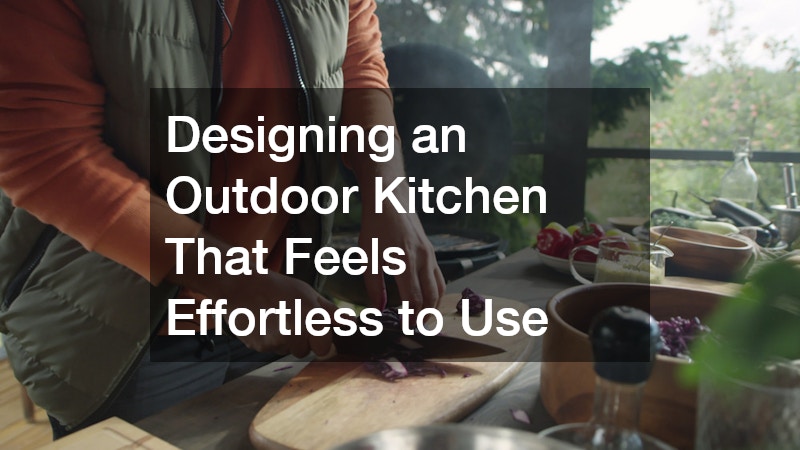
An outdoor kitchen can quickly become the heart of your backyard—but only if it’s designed with both durability and usability in mind.
Start by thinking through how you’ll actually use the space. Will you be grilling occasionally, or preparing full meals outdoors? The answer shapes everything from layout to material selection.
Surfaces are especially important here. Exposure to sun, moisture, and temperature changes means not all materials will hold up. Investing in professional kitchen countertop installation ensures that your surfaces are not only visually appealing but also resistant to cracking, staining, and heat damage.
Storage is another key element. A skilled cabinet maker can create custom solutions that protect utensils, cookware, and supplies from the elements while keeping everything within easy reach.
To make the space feel intuitive:
- Keep prep, cooking, and serving areas within a comfortable distance
- Include adequate lighting for evening use
- Choose finishes that are easy to clean and maintain
A well-designed outdoor kitchen doesn’t feel like a separate project—it feels like a natural extension of how you already live.
Managing Water Flow Before It Becomes a Problem
Water has a way of revealing design flaws over time. What looks perfect on a sunny day can quickly become problematic after a heavy rain.
Proper drainage is essential for protecting both your yard and your home. Without it, you may encounter pooling water, soil erosion, or even structural damage.
Start by ensuring that your yard is graded to direct water away from key areas. This might involve subtle slopes that are barely noticeable but highly effective.
For more complex systems—like irrigation, outdoor sinks, or drainage solutions—working with plumbing contractors can help you design a setup that functions reliably year-round.
Consider incorporating:
- French drains to redirect excess water
- Permeable surfaces that allow water to seep through
- Smart irrigation systems that adjust based on weather conditions
When water is managed well, it becomes almost invisible. And that’s exactly the goal.
Adding Features That Make Everyday Use Easier
A backyard isn’t just something you look at—it’s something you use. The more thoughtfully you design for everyday functionality, the more enjoyable the space becomes.
Think beyond aesthetics and consider how people will move through and interact with the space. Clear pathways, accessible storage, and flexible seating arrangements all contribute to a smoother experience.
Even small details can have a big impact. For instance, if your backyard connects to a garage, ensuring that access points are in good condition matters. Addressing issues like garage door repair can improve both convenience and security.
Multi-purpose features are especially valuable. A bench with built-in storage, for example, serves both seating and organization needs without adding clutter.
The goal is to remove friction from daily use. When everything works seamlessly, you’re more likely to spend time outside—and that’s the whole point.
Blending Safety Into the Design Without Compromise
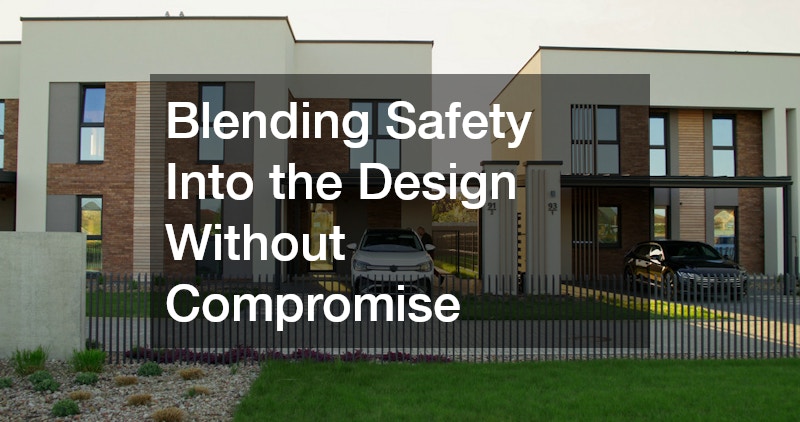
Safety doesn’t have to come at the expense of style. In fact, the best-designed backyards incorporate safety features so naturally that they feel like part of the aesthetic.
Lighting is one of the simplest ways to improve both safety and ambiance. Soft pathway lights, overhead fixtures, and accent lighting can guide movement while creating a warm atmosphere.
Surfaces should also be chosen with safety in mind. Slip-resistant materials around pools, patios, and walkways reduce the risk of accidents, especially in wet conditions.
For households in areas prone to severe weather, planning ahead can provide peace of mind. Incorporating a custom storm shelter into your backyard design ensures that you’re prepared without disrupting the overall look of the space.
Safety, when approached thoughtfully, becomes an invisible layer of comfort—something you feel without necessarily noticing.
Choosing Materials That Age Well Over Time
One of the biggest challenges in backyard design is finding materials that look good not just on day one, but years down the line.
Weather, sunlight, and regular use all take their toll. The key is selecting materials that either resist wear or develop character as they age.
For example, certain woods may weather into a soft gray tone that adds charm, while others require regular sealing to maintain their appearance. Metals with protective coatings can resist rust, while untreated options may deteriorate quickly.
When evaluating materials, consider:
- How they respond to your local climate
- The level of maintenance you’re willing to commit to
- Whether repairs can be done easily if needed
Durability isn’t just about strength—it’s about how gracefully something holds up over time.
Bringing Everything Together With Thoughtful Finishing Touches
The final layer of backyard design is where everything comes together. This is where structure meets personality, and functionality meets style.
Layering Landscaping for Depth and Balance
Landscaping plays a major role here. Plants soften hard edges, add color, and create a sense of depth. Choosing varieties that thrive in your region reduces maintenance while keeping the space vibrant.
Instead of treating landscaping as a single layer, think in tiers. Ground cover, mid-height shrubs, and taller plants or trees can work together to create a more natural, visually interesting environment. This layering effect helps avoid a flat or overly staged look.
It also helps to repeat certain plants or colors throughout the yard. Even subtle repetition—like the same type of shrub appearing in multiple zones—can quietly unify the space without making it feel overly designed.
Using Lighting to Shape Mood and Function
Lighting, textures, and small decorative elements help tie everything together. A well-placed light fixture or a carefully chosen piece of furniture can transform how a space feels.
Outdoor lighting works best when it serves more than one purpose. It should guide movement, highlight key features, and create atmosphere all at once. For example, pathway lighting ensures safe navigation, while soft uplighting can draw attention to trees or architectural elements.
Rather than relying on a single bright source, aim for a layered lighting approach:
- Low, subtle lights for pathways and edges
- Accent lighting to highlight focal points
- Ambient lighting for seating and gathering areas
This combination creates a warm, inviting environment that feels intentional rather than overly illuminated.
Mixing Textures to Avoid a Flat Look
Texture is often what separates a good backyard from a great one. When everything is too uniform—same materials, same finishes—the space can feel sterile.
Try blending different textures in a way that still feels cohesive. For instance, pairing smooth stone with rough wood, or combining soft fabrics with structured metal elements, adds contrast without chaos.
Even small touches—like woven outdoor rugs, textured planters, or layered cushions—can introduce warmth and make the space feel more lived-in.
Creating Subtle Focal Points
Every well-designed backyard benefits from one or two focal points that naturally draw the eye. These don’t have to be dramatic or expensive features.
A focal point could be:
- A seating area arranged around a central table
- A striking plant or tree
- A water feature or fire element
The goal is to give the eye a place to rest. Without focal points, the space can feel scattered or unfinished, even if everything else is well-designed.
Evaluating the Space as a Whole
It’s often helpful to step back and view your backyard as a whole. Does it feel cohesive? Do the materials, colors, and features complement each other?
One useful approach is to walk through the space slowly, as if you were experiencing it for the first time. Notice how each area connects to the next. Are transitions smooth, or do they feel abrupt? Does anything stand out in a way that feels unintentional?
Sometimes taking a photo of your backyard can also reveal things you might not notice in person—imbalances, clutter, or areas that feel underdeveloped.
Refining the Details That Make the Difference
Sometimes, the most impactful changes are the simplest—adjusting a layout, adding a plant, or refining a detail.
This stage is less about adding more and more about editing thoughtfully. Removing a piece that doesn’t quite fit, repositioning furniture for better flow, or simplifying a crowded area can elevate the entire design.
Over time, these small refinements add up. The space begins to feel not just complete, but intentional—like every element belongs exactly where it is.
Final Thoughts on Building a Backyard That Lasts
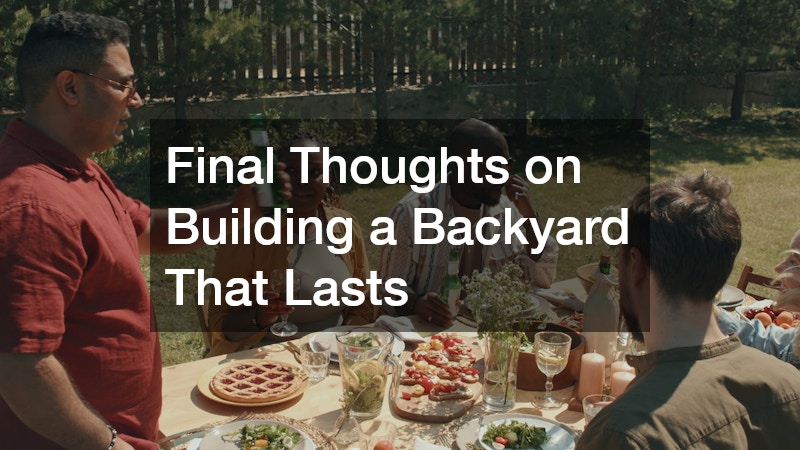
A stylish backyard may catch your eye at first, but a durable one keeps earning its value over time. The real success of a design isn’t how it looks on the day it’s finished—it’s how well it continues to serve you through changing seasons, weather, and everyday use.
By planning carefully, choosing the right materials, and focusing on how the space will actually function, you create something more than just an outdoor area. You create a place that adapts, endures, and remains enjoyable year after year.
And ultimately, that’s what makes a backyard truly worth investing in.