A house is more than a living space; it is a physical expression of personal style and a refuge from the elements. However, maintaining a striking property exterior requires balancing aesthetic choices with long-term structural defense. Over time, weather cycles, sun exposure, soil movement, and natural material fatigue can dull your home’s curb appeal while creating hidden vulnerabilities.
Executing thoughtful exterior renovations allows homeowners to achieve a sophisticated, custom look while fortifying the building envelope against environmental damage. By pairing architectural enhancements with high-grade weatherproofing, reliable utilities, and proactive perimeter protection, you can transform a standard property into a resilient, high-end estate.
Beyond the immediate visual upgrade, investing in your home’s exterior defense is a sound financial strategy. Proactive renovations prevent micro-fissures, moisture retention, and pest intrusions from silently degrading your framing and foundation, saving tens of thousands of dollars in emergency repairs down the road. Furthermore, a well-protected, beautifully crafted exterior significantly boosts market value and overall energy efficiency.
True property elevation is never about just one surface layer—it is an interconnected system where every detail, from the roofline to the underground utilities, works together. This guide explores targeted exterior renovations that blend form, function, and long-term protection to ensure your home remains as durable as it is breathtaking.
Incorporating Heavy Timber Elements and Elevating Rooflines for Superior Curb Appeal

The upper structure of your home sets the tone for its architectural style while acting as its primary barrier against severe weather. Upgrading key visual focal points—such as front entryways, porticos, and rooflines—dramatically enhances curb appeal while reinforcing the building against wind, rain, and snow loads.
Architectural Heavy Timber Upgrades
Integrating heavy timber elements into your home’s exterior creates a sense of permanence, warmth, and craftsmanship. Timber-framed porches, decorative gables, and custom pergolas bridge the gap between rustic charm and modern luxury.
-
Select Weather-Resistant Wood Species: Choose timber species like Douglas fir, western red cedar, or white oak that naturally resist decay, moisture absorption, and insect damage.
-
Protect Exposed Joinery: Ensure timber connections utilize concealed stainless steel fasteners or powder-coated steel brackets to prevent water pooling inside mortise-and-tenon joints.
-
Apply High-Quality Penetrating Stains: Coat exposed timbers with UV-blocking, oil-based stains that highlight natural wood grain while preventing graying and surface cracking.
-
Anchor Posts Securely: Mount heavy vertical posts onto elevated concrete footings rather than direct soil contact to prevent ground moisture rot.
Collaborating with skilled local timber frame contractors guarantees that large structural wood features are engineered to handle regional snow loads while complementing your home’s architectural proportions.
High-End Roof Systems and Material Selection
Your roof is both a major visual component of your home’s exterior silhouette and its most critical weather shield. Replacing an aging asphalt roof with modern, high-performance materials transforms the overall aesthetic while eliminating leak risks.
Beyond its immediate impact on curb appeal, a modern roofing system serves as an advanced thermal and moisture barrier for your entire home. Upgrading to high-grade architectural shingles, standing-seam metal, or synthetic slate dramatically improves wind and impact resistance during severe storms. Furthermore, incorporating updated synthetic underlayments and radiant barriers reflects solar radiation, lowering interior cooling demands and preventing attic heat build-up. By taking a comprehensive approach to your roof replacement, you safeguard your underlying rafters from rot while giving your home’s exterior a sleek, sophisticated signature look.
-
Choose High-Contrast Color Palettes: Architectural shingles or standing-seam metal panels in charcoal, slate, or bronze tones create striking visual contrast against white, stone, or brick siding.
-
Upgrade Edge Flashing: Install heavy-gauge drip edges and valley flashing to prevent wind-driven rain from seeping behind fascia boards and soffits.
-
Ensure Adequate Ventilation: Maintain balanced ridge and soffit vents to prevent summer heat buildup in the attic, which can prematurely age roofing materials and warp structural decking.
When planning a total roof overhaul, partnering with experienced local roofing contractors ensures precision installation, proper underlayment selection, and long-term warranty protection.
Designing Elegant Perimeter Barriers and Stocking Cozy Outdoor Living Spaces

These outdoor additions naturally extend your home’s functional square footage, allowing you to entertain guests comfortably across every season. By thoughtfully zoning your landscape into distinct areas for gathering, relaxation, and security, you maximize the overall usability of your property footprint. Ultimately, combining robust boundary protection with inviting fire features creates a harmonious balance of rustic elegance, everyday utility, and peace of mind.
High-End Boundary Enclosures
A thoughtfully designed fence line frames your landscape, defines property boundaries, and contains pets or livestock safely without sacrificing visual elegance.
-
Match Architectural Style: Align your fencing material with your home’s design language—such as black aluminum or wrought iron for traditional estates, or dark-stained post-and-rail for modern farmhouses.
-
Set Posts Below the Frost Line: Concrete fence posts must extend beneath regional frost lines to prevent winter soil heave from throwing perimeter lines out of alignment.
-
Integrate Automated Entry Gates: Install heavy-duty driveway gates equipped with keypad entries, intercom systems, and safety sensors to elevate security and convenience.
Working with a professional farm fencing company allows you to choose durable, low-maintenance materials engineered to withstand soil shifts, animal impact, and harsh weather.
Outdoor Fireplaces and Fuel Storage
Extending outdoor living into cool autumn and winter months requires an inviting fire feature, accompanied by a clean, organized fuel storage solution that enhances garden aesthetics.
-
Build Masonry Fire Features: Construct stone or brick outdoor fireplaces using refractory mortar and firebrick linings that withstand high thermal shock without cracking.
-
Elevate Firewood Storage: Store wood off the ground on raised, covered racks to keep logs dry, encourage air circulation, and prevent bottom layers from decomposing.
-
Maintain Safety Clearances: Position outdoor fire pits and firewood storage racks at a safe distance from primary structures, wooden decks, and overhanging tree canopy.
Arranging scheduled fire wood deliveries before the cold season ensures you have a continuous supply of seasoned hardwood ready for outdoor entertaining or indoor hearth fires.
Upgrading Heating Logistics and Ensuring Reliable Off-Grid Water Delivery

A truly luxurious home operates seamlessly behind the scenes. Upgrading utility infrastructure—such as bulk heating fuel delivery and well water pumping systems—ensures year-round indoor comfort, reliable irrigation for lush landscaping, and uninterrupted domestic water supply.
Discreet Heating Fuel Storage and Delivery
For properties utilizing liquid fuel for domestic heating or radiant floor systems, managing fuel storage gracefully maintains curb appeal while keeping the interior warm.
-
Screen Fuel Storage Tanks: Use decorative cedar lattice panels, stone retaining walls, or dense evergreen hedges to obscure above-ground fuel tanks from view.
-
Maintain Clear Technician Access: Ensure landscaping screens allow at least three feet of clearance around tank valves, fill pipes, and inspection gauges for service vehicles.
-
Install Smart Tank Monitors: Utilize wireless tank gauges that send fuel level alerts directly to your smartphone, preventing unexpected run-outs during winter cold snaps.
Establishing a recurring agreement with a reliable heating oil service guarantees timely winter refills, system maintenance, and peace of mind when temperatures plunge.
Estate Water Well Management
Off-grid water systems power everything from household plumbing to automated lawn sprinklers and swimming pools. Maintaining peak pump performance keeps water flowing reliably throughout your estate.
-
Check System Pressure Tanks: Inspect internal tank bladders annually to ensure proper pre-charge pressure, preventing frequent pump cycling that leads to motor burnout.
-
Elevate and Seal Wellheads: Confirm your well casing extends at least 12 inches above final ground grade and features a sanitary cap to keep surface runoff and insects out.
-
Test Flow Rates and Water Quality: Sample domestic water yearly for dissolved minerals, iron content, and bacterial health to protect plumbing fixtures from scaling or corrosion.
Partnering with established local well pump companies ensures rapid response for pump maintenance, pressure tank replacements, or emergency water system repairs.
Refreshing Weathered Outdoor Materials and Preparing Primary Heating Sources
Over time, hardscape surfaces, brick masonry, metal gates, and wood siding collect layers of dirt, old paint, mineral scale, and environmental staining. Restoring these surfaces while securing clean fuel supplies rejuvenates your exterior aesthetic and prepares your home for winter.
Delicate Surface Restoration Techniques
Abrasive stripping methods restore aged, weathered outdoor materials back to their original texture and color without destroying delicate brick glazes or historic stonework.
-
Select Eco-Friendly Media: Utilize fine abrasive media such as crushed glass, garnet, or walnut shells combined with water to suppress dust and minimize substrate abrasion.
-
Clean Brickwork and Natural Stone: Remove decades of soot, efflorescence, and failing paint from exterior masonry, preparing surfaces for breathable sealants.
-
Refinish Wrought Iron and Wood Siding: Strip rust and flaky coatings from vintage iron gates, outdoor furniture, or cedar siding to create a smooth surface for fresh paint or stain.
Utilizing a professional sandblasting service allows homeowners to strip away years of weathering quickly and safely without damaging delicate underlying building materials.
Sourcing Clean-Burning Fuel Supplies
A crackling fireplace or high-efficiency wood stove insert provides unmatched interior ambiance during winter, but burning wet or unseasoned wood damages chimneys and reduces heating efficiency.
-
Verify Low Moisture Content: Ensure firewood has been seasoned for at least six to twelve months or kiln-dried, achieving an internal moisture level below 20 percent.
-
Choose Hardwood Species: Select high-density hardwoods like oak, maple, hickory, or ash for longer burn times, higher heat output, and minimal spark production.
-
Store Fuel Properly: Stack split wood in crisscross rows on elevated racks, keeping the top covered with a tarp while leaving the sides open to circulating air.
Arranging convenient local firewood deliveries from regional suppliers provides clean, ready-to-burn wood directly to your storage racks, saving time and physical effort.
Establishing Structural Pest Barriers and Eliminating Subterranean Threats
Even the most beautiful exterior renovation can be undermined by hidden pests. Wood-destroying insects, burrowing rodents, and invasive ant colonies compromise wooden framing, hollow out subflooring, and ruin outdoor stone patios if left unchecked.
Comprehensive Exterior Defense Systems
Protecting your investment requires setting up proactive exterior barriers that keep destructive pests from penetrating foundation walls, wood framing, and outdoor living structures.
-
Eliminate Wood-to-Ground Contact: Ensure wooden siding, deck posts, and trim boards maintain at least six inches of clearance above exposed garden soil.
-
Create a Gravel Buffer Zone: Replace organic wood mulch directly adjacent to foundation walls with an 18-inch border of crushed stone or gravel to discourage burrowing.
-
Seal Foundation Penetrations: Fill gaps around outdoor hose bibs, electrical conduit, dryer vents, and foundation cracks using stainless steel mesh and silicone caulk.
Enlisting a licensed company for routine pest control creates an invisible, long-lasting protective barrier around your home’s perimeter, stopping pests before they enter wall cavities.
Target Subterranean Pest Mitigation
Certain invasive insects—such as carpenter ants and pavement ants—nest under stone walkways, patio pavers, and house footings, slowly excavating soil and damaging damp wood.
-
Manage Moisture Accumulation: Fix leaky outdoor spigots, clear clogged downspouts, and slope soil away from foundation walls to eliminate damp conditions that attract ants.
-
Trim Vegetation Away from Siding: Prune back tree branches and flowering shrubs so they do not touch exterior walls, removing natural bridges for foraging insects.
-
Apply Target Barrier Treatments: Apply localized granular or liquid barrier treatments along stone patio joints and foundation footings to disrupt active nesting colonies.
Hiring a specialized ant exterminator ensures subterranean nests hidden beneath patio pavers or floor joists are completely eradicated, preserving your hardscape investments.
Creating Lasting Value Through Thoughtful Exterior Upgrades
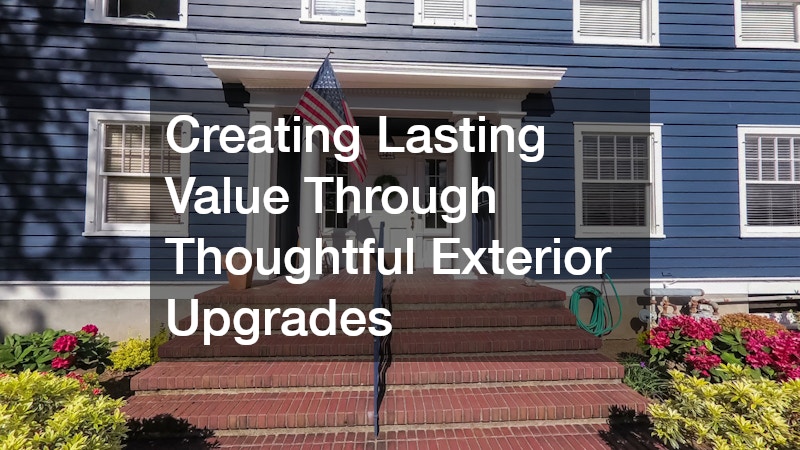
Enhancing your home’s exterior requires balancing high-end architectural style with long-term structural defense. By combining heavy timber accents, architectural roofing, stylish perimeter fencing, and restored masonry surfaces, you create a cohesive, inviting estate that stands out in your neighborhood.
Equally important is the invisible infrastructure that keeps your property running smoothly. Upgrading well pumps, scheduling reliable heating fuel deliveries, maintaining clean firewood supplies, and establishing perimeter pest barriers protects your home from internal and external threats.
A well-executed exterior renovation also serves as your property’s first defense against changing seasonal extremes. By selecting weather-resistant materials, fortifying entryways, and managing water runoff effectively, you shield your home from expensive structural damage, ice damming, and severe wind exposure long before emergency repairs become necessary.
Ultimately, a thoughtful combination of curb appeal and functional infrastructure safeguards both your physical structure and your financial investment. Investing in high-quality materials and working alongside skilled, licensed trade professionals guarantees your exterior renovations deliver long-term value, reduced maintenance costs, and unmatched curb appeal for decades to come.