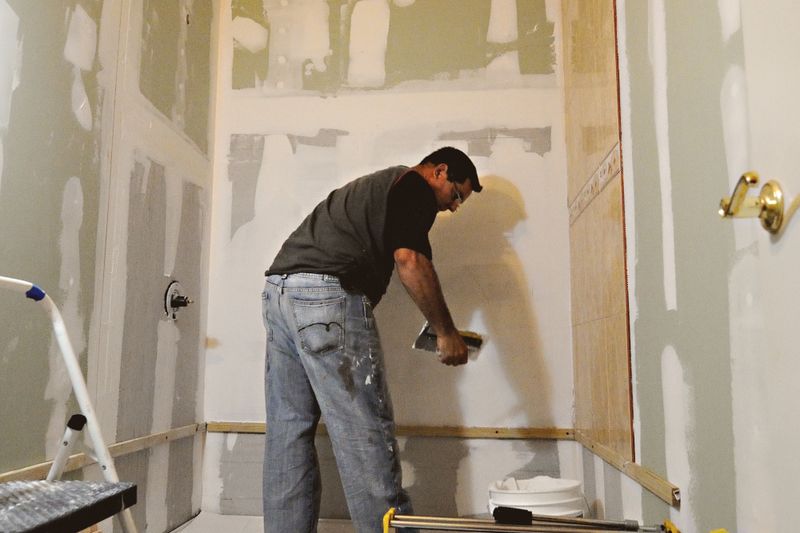
Key Takeaways
- A full bathroom renovation can easily climb past $12,000, but strategic swaps and DIY work can slash that number dramatically while still delivering a high-end look.
- Paint, hardware, and lighting are the three cheapest changes that create the biggest visual impact in a dated bathroom.
- Peel-and-stick tile, vinyl flooring, and refinishing kits let you mimic marble, stone, and porcelain for a fraction of the real material cost.
- Keeping the existing plumbing layout is the single smartest way to avoid runaway costs during a refresh.
- Thrift stores, salvage yards, and online marketplaces are goldmines for vanities, mirrors, and fixtures that look custom.
- Smart planning, including setting a realistic budget and tackling one zone at a time, prevents the project from spiraling.
- Even a modest bath update recoups a solid share of its cost at resale, so smart spending pays back twice.
Why Bathrooms Feel So Expensive to Fix
Walk into any home improvement store, and the price tags alone can send you right back out the door. Bathrooms pack plumbing, electrical, tile, cabinetry, and ventilation into one tiny room, which is why even small projects feel disproportionately pricey. If you have never remodeled a space before, this is the first thing to understand: cost is driven less by square footage and more by complexity.
The numbers back this up. According to HomeAdvisor, the typical bathroom renovation this year lands around $12,146 for most homeowners, with a wide range between roughly $6,600 and $17,600. That spread tells you something important. The gap between a bargain refresh and a blowout renovation is huge, and most of it comes down to the choices you make before a single tool comes out of the drawer.
The good news? You do not need a five-figure budget to make a bathroom feel brand new. You just need to know which corners you can cut without the room looking like you cut corners. That is what this guide is about.
Start With a Plan, Not a Shopping Cart
Before you buy anything, grab a notebook. Write down what bothers you about the current bathroom. Is it the color? The lighting? The cracked grout? The vanity that looks like it time-traveled from 1992? Maybe it is the way the mirror fogs up every morning, or the drawer that sticks every time you reach for a toothbrush. Being specific saves you money, because it stops you from spending on things that were not really the problem. A lot of people assume they need a full gut job when, in reality, swapping the lighting and refreshing the paint would have solved 80 percent of what annoyed them in the first place.
Next, set a hard budget and divide it into three buckets: materials, tools, and a cushion. The cushion is non-negotiable. Hidden water damage, outdated wiring, or a tile that cracks mid-install can derail a project fast. A smart rule is to hold back about 15 to 20 percent of your total budget for surprises. If you have never tackled home upgrades before, lean toward the higher end of that range, because first-time remodelers almost always run into at least one unexpected cost — a corroded shutoff valve, a subfloor that needs patching, or a drain that no longer meets code. Write your budget down on paper and tape it inside a cabinet door so you actually see it when you are tempted to splurge.
How to Prioritize What Actually Matters
Not every change delivers the same payoff. When you are weighing where to put your dollars, think about what you see first when you walk in and what you touch every day. Those two categories deserve the biggest slice of your budget. A gorgeous faucet you use every morning is a better investment than a decorative item you will forget about in a week. The same logic applies to things like drawer pulls, shower handles, and the toilet flush lever — small touchpoints that quietly shape how expensive the whole room feels. On the visual side, focus on the sightlines from the doorway: the vanity, the mirror, and the wall directly across from the entry. Nail those three, and the rest of the bathroom remodeling ideas on a budget start to click into place without you having to spend on every square inch. Save the extras, like matching soap dispensers or framed prints, for the very end — only if money is left over.
The Cheapest Changes With the Biggest Impact
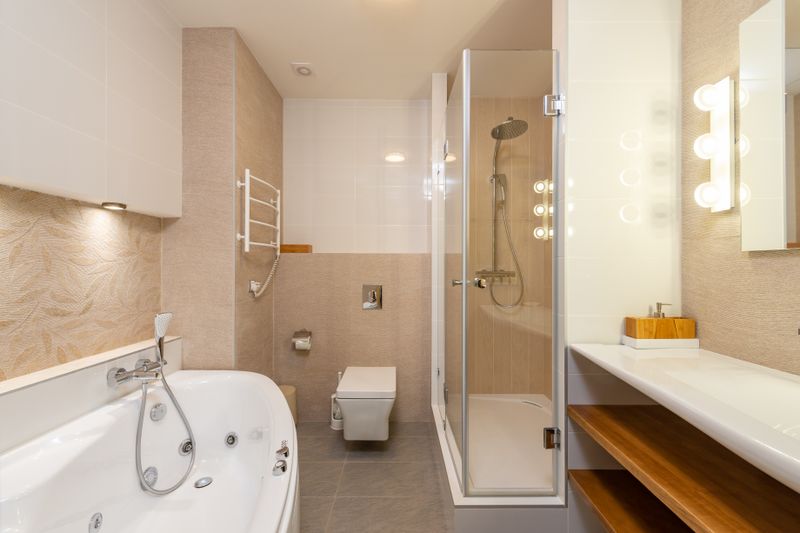
If your budget is tight, start here. These are the updates that cost the least but shift the whole feel of the room. Many of them can be done in a weekend with basic tools and zero plumbing knowledge, which means you can tackle them yourself without hiring a contractor or waiting weeks for a crew to show up. Even better, most of these changes are completely reversible, so you can experiment with style without committing to anything permanent.
- Paint the walls, ceiling, and even the vanity in a fresh, modern color that reflects natural light and makes the space feel larger
- Swap out dated hardware, such as drawer pulls, towel bars, toilet paper holders, and robe hooks for cohesive, updated finishes
- Replace the light fixture with something sculptural or on-trend, such as a fluted glass sconce, a woven pendant, or a slim linear vanity bar
- Install a new mirror, or frame the existing builder-grade one with trim, stained wood, or a thin metal border for a custom look
- Upgrade the faucet, which instantly modernizes the sink area and signals quality the moment anyone walks in
- Add a new shower curtain, bath mat, and coordinated textiles in natural fibers like cotton waffle, linen, or Turkish terry
A fresh coat of moisture-resistant paint alone can take a room from tired to tailored, especially if you choose a soft, layered neutral like warm greige, muted sage, or a chalky off-white that mimics the plaster finishes you see in high-end design magazines. Pair that with brushed brass or matte black hardware, and suddenly the bathroom reads like a boutique hotel. Don’t underestimate the power of consistency here — mixing three or four metal finishes in one small space is one of the fastest ways to make a budget remodel look thrown together instead of thoughtfully designed.
These kinds of small home upgrades compound visually, especially when you choose a consistent finish across every piece of metal in the room. Think about it this way: if your faucet, light fixture, drawer pulls, towel bars, and even the hinges on the vanity all share the same tone, the eye reads the whole space as intentional and curated. That cohesion is exactly what separates expensive-looking spaces from ones that feel pieced together, and it’s the secret behind the best bathroom remodeling ideas on a budget. Start with one or two of these swaps, live with them for a week, and you’ll likely find yourself inspired to tackle the next layer of upgrades.
Faking Luxury Finishes on a Shoestring
Here is where things get fun. The reason real marble, stone, and designer tile cost so much is a mix of material rarity and skilled labor. But modern manufacturing has gotten shockingly good at mimicking the real thing, and most guests will never know the difference.
Peel-and-stick tile is the headline act here. You can cover a backsplash, an accent wall, or even a full floor with vinyl tiles that look like Carrara marble or hand-painted Moroccan patterns. For bathtubs and sinks that are stained or chipped, a refinishing kit from the hardware store runs about $25 to $50 and can add years of life to an otherwise ugly fixture. Many homeowners pair these quick fixes with other DIY projects designed to transform your space without blowing the savings account.
Where to Hunt for Secondhand Treasures
Thrift stores, architectural salvage yards, estate sales, and online marketplaces like Facebook Marketplace and Craigslist are packed with vanities, antique mirrors, clawfoot tubs, and sconces at pennies on the dollar. Give yourself a few weeks of casual browsing before the project starts. The best finds come to people who are patient. A $40 solid-wood dresser can become a custom vanity with a cutout, some sealant, and a vessel sink from a discount tile shop.
Smart Bathroom Remodeling Ideas on a Budget That Really Work
When people search for bathroom remodeling ideas on a budget, the advice they usually find is either too vague or too obvious. Here is the stuff that actually moves the needle without wrecking your wallet. The number one rule: do not move the plumbing. The moment you relocate the toilet, tub, or sink, you are adding thousands in labor and permit costs.
Instead, work with the layout you have. Replace, do not relocate. If the vanity is in a bad spot, swap it for a different-shaped unit in the same footprint. If the shower feels cramped, replace the heavy glass door with a sleek curtain rod and linen curtain. Think of your floor plan as fixed and your finishes as flexible.
Timing matters too. According to This Old House, Americans poured $472 billion into home renovations in the third quarter of 2024, with projections climbing another $5 billion by late 2025. That demand drives prices up during peak remodeling seasons, which are spring and summer. Shopping during off-season sales, especially in late fall and winter, is a quiet way to save hundreds on tile, fixtures, and vanities.
- Keep the plumbing exactly where it is
- Buy floor models or open-box items from big-box stores
- Choose standard sizes instead of custom cuts
- Do demolition yourself to save on labor
- Mix one or two splurge items with mostly budget finishes
- Shop end-of-season clearance for tile and fixtures
The last tip deserves its own moment. Designers call it the “one hero piece” rule: pick a single statement element, like a dramatic mirror or a sculptural faucet, and let everything else play a supporting role. The eye lands on the hero and reads the whole room as elevated, even if the surrounding materials came from the clearance aisle.
DIY Versus Hiring Out: Where to Draw the Line
There is a sweet spot between doing everything yourself and handing the whole project to a contractor. Hit it right, and you save thousands without creating a disaster that costs more to fix later.
Safe DIY territory usually includes painting, installing hardware, swapping light fixtures (if you are comfortable turning off the breaker), hanging mirrors, laying peel-and-stick tile, and assembling pre-built vanities. These tasks forgive beginner mistakes and rarely cause lasting damage if something goes sideways.
Call in a pro for anything involving water lines, major electrical rewiring, structural changes, or glass shower installations. A plumber for one afternoon is a lot cheaper than repairing a slow leak that rots the subfloor six months later. The same goes for tile work on wet walls, where improper waterproofing can turn into a mold problem that no budget can absorb.
A Simple Rule for Deciding
If a mistake would mean redoing the work, do it yourself. If a mistake would mean tearing out walls or calling your insurance company, hire it out. That single filter saves most first-time renovators from the biggest money pits.
Finishing Touches That Punch Above Their Weight
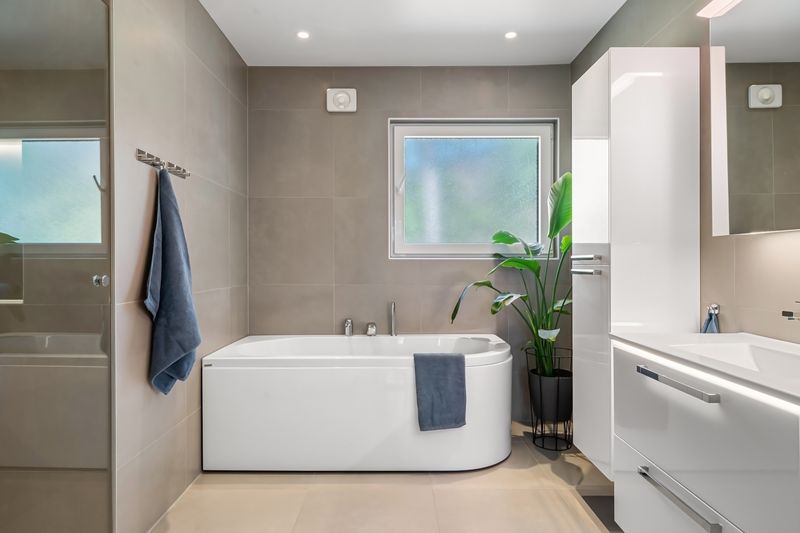
Once the big elements are in place, the final layer is what sells the whole look. These are the small details that make guests ask who your designer was.
- A stack of rolled white towels in a woven basket
- A single live plant, like a pothos or snake plant, that tolerates humidity
- Apothecary-style glass bottles for soap and lotion
- A wood or stone tray to corral countertop items
- Soft, warm-toned bulbs instead of harsh daylight ones
- A framed print or two for a gallery wall above the toilet
None of these cost much individually, but together they create the layered, lived-in feel that photographs so well in high-end magazines. Styling is free. Use it.
Conclusion
A beautiful bathroom does not require a beautiful bank balance. It requires patience, a clear plan, and a willingness to look past the price tag at what a material or fixture is actually doing in the room. When you keep the plumbing where it is, lean on clever substitutes for expensive finishes, and reserve your biggest spend for the one or two things you touch and see most, the math works out in your favor every time.
The homeowners who get the best results are rarely the ones with the biggest budgets. They are the ones who shopped slowly, measured twice, and chose a few hero pieces instead of trying to upgrade everything at once. Give yourself permission to tackle the project in phases if you need to. A refreshed vanity this month, new lighting next month, and refinished tile the month after will get you to the same destination as a single blowout weekend, often with better results.
Start small, stay disciplined on the layout, and trust that the details you add at the end will tie it all together. By the time you are hanging that last towel, you will have a bathroom that looks like it cost three times what you spent, and the only person who needs to know the truth is you.