
Keeping a house clean often feels like a losing battle. You can spend a Saturday scrubbing bathroom tile, dusting bookshelves, and mopping floors, only to see lint, water spots, and grime reappear by Tuesday. This cycle isn’t due to poor housekeeping habits but to aging mechanical systems, porous materials, and outdated layouts that trap dirt, moisture, and odors. Achieving a consistently clean home requires a strategy shift—from endless scrubbing to proactive home design. Investing in structural and surface upgrades makes your house work with you. Cleaner airflow reduces dust, modern plumbing prevents stains and dampness, and non-porous surfaces make spills easy to clean. Whether updating a room or planning a whole-house refresh, the right upgrades reduce chores and protect your property’s value.
Purge Trapped Dust and Clear Hidden Odors Behind Your Walls

True home cleanliness starts with the invisible infrastructure running behind your drywall and beneath your floors. If your coffee tables collect a visible film of dust within forty-eight hours of wiping them down, your heating and cooling ductwork is likely recirculating years of accumulated pet dander, pollen, textile lint, and fine construction debris. Every time the blower fan kicks on, microscopic particles get pushed back into your living spaces. Scheduling a visit from a certified air duct cleaner every three to five years—or immediately after moving into an older home or finishing dusty interior repairs—removes that hidden reservoir of allergens so your weekly dusting actually lasts.
To keep your ventilation system from filling back up right away, pair professional duct servicing with a few simple mechanical habits:
- Upgrade your furnace filters: Swap cheap fiberglass mesh filters for pleated MERV 11 to MERV 13 filters, and replace them every sixty to ninety days to capture fine airborne dust before it enters the ductwork.
- Seal leaky return plenums: Have a technician brush mastic sealant over gaps in your return ducts so the system stops pulling unconditioned dust from attics, basements, or crawlspaces.
- Wash register grilles quarterly: Pop off floor and wall vent covers and soak them in warm, soapy water to clear away sticky lint buildup around the louvers.
Airflow is only half of the behind-the-scenes equation; household drainage plays an equally large role in how fresh a home smells and feels. Kitchen sinks, showers, and laundry lines gradually accumulate a thick interior coating of cooking grease, hair, soap scum, and organic biofilm. Over-the-counter chemical drain openers rarely solve this problem—they typically burn a narrow pinhole through the blockage while corroding older pipe joints. Periodic professional drain cleaning, particularly mechanical augering or high-pressure hydro-jetting, scours the entire interior diameter of the pipe to eliminate foul odors at the source. Between professional visits, keep lines flowing smoothly by placing fine mesh strainers over every basin, wiping greasy pans with a paper towel before washing them, and flushing drains monthly with a kettle of hot water and a half-cup of baking soda.
Modernize Aging Water Lines for Cleaner Fixtures and Dry Walls
Even the most meticulous bathroom routine cannot keep porcelain sinks and glass shower enclosures looking crisp if your household water supply lines are deteriorating from the inside out. Homes built several decades ago frequently rely on galvanized steel pipes that slowly rust and accumulate heavy mineral scale, or brittle polybutylene tubing prone to sudden failure. As those pipes degrade, they shed iron sediment and mineral flakes straight into your sinks, tubs, and washing machine, leaving behind stubborn orange rings and chalky residue that require harsh scrubbing to remove.
Before water damage ruins your finishes or triggers hidden mold growth, watch for these early warning signs of failing supply lines:
- Discolored water at startup: Brown, yellow, or metallic-tasting water when you first turn on a faucet in the morning points directly to internal pipe corrosion.
- Persistent fixture staining: Hard-to-remove rust streaks or cloudy mineral film on faucets and glass doors indicate heavy sediment traveling through the lines.
- Unexplained moisture or musty smells: Faint bubbling paint, warped baseboards, or damp patches on drywall often signal silent pinhole leaks feeding mildew inside wall cavities.
- Fluctuating water pressure: Noticeable drops in shower flow when another tap opens usually mean internal scale has narrowed your pipes.
Replacing failing lines with smooth-walled cross-linked polyethylene (PEX) or Type L copper permanently solves both water clarity and hidden moisture issues. Because modern piping resists internal rust and mineral buildup, water reaches your fixtures cleanly and quietly. Bringing in a licensed repiping plumber to modernize aging lines before you invest in cosmetic upgrades protects your new paint, trim, and cabinetry from unexpected leaks. While the walls are open during the upgrade, consider adding a whole-house sediment filter or water softener at the main shutoff valve. Softened, filtered water dramatically reduces soap scum, prevents limescale crust around faucet aerators, and keeps shower glass sparkling with minimal squeegeeing.
Upgrade High-Traffic Surfaces Underfoot to Stop Grime from Sticking
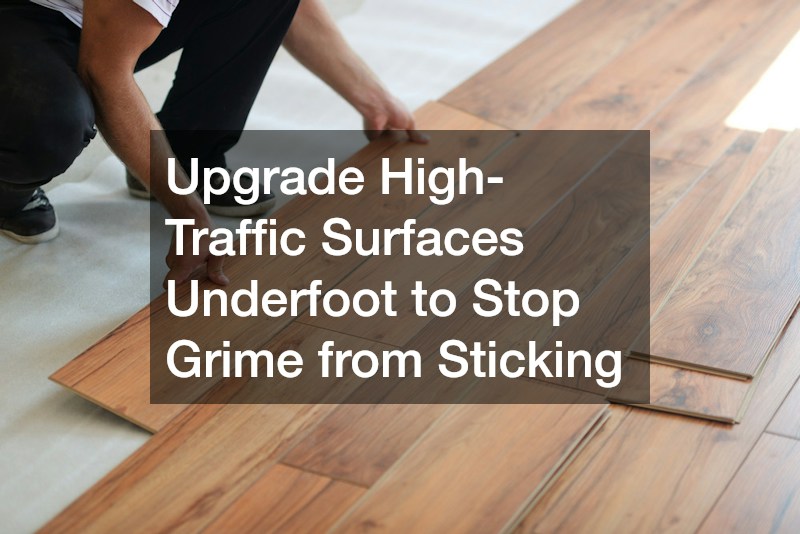
Floors absorb more daily abuse than any other surface in your home, catching tracked-in soil, kitchen splatters, pet dander, and spilled drinks from morning until night. Older floors with worn polyurethane sealants, deep porous grout joints, or swollen laminate seams act like magnets for dirt. Even after thorough mopping, dirty water settles into microscopic scratches and unsealed edges, leaving rooms looking dull and slightly sticky.
Selecting modern, non-porous residential flooring transforms daily upkeep in high-traffic zones such as entryways, kitchens, hallways, and mudrooms. Waterproof luxury vinyl plank (LVP) with a rigid stone-polymer core, large-format porcelain tile, and factory-sealed engineered hardwood all outperform older materials when it comes to resisting moisture and stains. When shopping for hard surfaces, keep these practical cleanliness details in mind:
- Minimize grout lines: If you love tile, choose large-format porcelain planks or 24-by-24-inch squares installed with narrow, stain-proof epoxy grout rather than porous cementitious grout.
- Choose forgiving sheens: High-gloss dark floors show every footprint, water drop, and speck of dust within minutes. Matte or satin finishes with subtle wood grain or stone veining camouflage everyday debris between cleanings.
- Verify tight locking seams: In spill-prone rooms, look for click-lock planks with beveled, waterproof edges that stop liquids from seeping down into the subfloor.
Of course, hard surfaces are not the only option—many homeowners still prefer warmth and sound absorption underfoot in bedrooms and family rooms. The key is avoiding outdated, high-pile plush carpet that traps allergens, crumbs, and pet hair deep at the backing. When visiting local carpet stores, ask specifically about solution-dyed nylon or triexta fibers. Because color is locked throughout the fiber rather than dyed onto the surface, these textiles resist permanent staining from coffee, wine, and muddy paws. Opt for a tight, low-pile cut or level-loop construction that releases dirt effortlessly under a HEPA-filtered vacuum, and insist on a moisture-barrier cushion underneath so accidental spills stay near the surface where you can blot them up cleanly.
Redesign Kitchens and Bathrooms for Effortless Daily Wipe-Downs

Kitchens and bathrooms generate the heaviest daily mess in any household, yet conventional builder-grade designs often make wiping them down unnecessarily tedious. Tiled countertops harbor bacteria in discolored grout lines, unsealed natural marble absorbs cooking oils and acidic juices, and drop-in sinks feature raised metal lips that trap crumbs and mildew right where you wipe.
Replacing porous or seamed work surfaces is one of the highest-impact upgrades you can make for everyday hygiene. Partnering with an experienced countertop service lets you install seamless, non-porous slabs—such as engineered quartz, sintered stone, or solid-surface acrylic—that never require annual chemical sealing and resist scorching, staining, and bacterial growth. To make daily cleanup even faster, build these clean-by-design details into your specification:
- Specify undermount sinks: Mounting the basin beneath the slab removes the grime-catching rim, letting you sweep crumbs and water straight from the counter into the sink in one motion.
- Install a full-height slab backsplash: Running your countertop material continuously up the wall behind the range and sink eliminates grease-stained tile grout forever.
- Choose rounded edge profiles: Gently eased or bullnose edges resist chipping and wipe clean far more easily than sharp, intricate ogee edges.
Cluttered counters and awkward dead spaces create the other half of kitchen cleaning frustration. Standard stock cabinetry typically stops twelve inches short of the ceiling, creating an elevated shelf that collects a sticky layer of airborne cooking grease and household dust. Meanwhile, cramped storage forces toasters, blenders, and paper towel rolls onto the work surface, turning every quick wipe-down into an obstacle course. Working with custom cabinet designers solves both problems permanently. Extending upper cabinets all the way to the ceiling with tight crown molding eliminates the dust trap completely, while integrated appliance garages, pull-out trash and recycling bins, and deep drawer organizers keep countertops completely clear. For the easiest upkeep, select flat-panel slab doors or crisp, simple Shaker profiles finished in durable satin conversion varnish rather than ornate, heavily routed moldings that trap fingerprints and kitchen grease.
Seal and Protect Your Home’s Exterior Shell Against Moisture and Dust
It is easy to treat exterior maintenance as purely cosmetic, yet the condition of your home’s outer shell directly dictates how clean the interior stays. Hairline cracks in exterior cladding, dried-out caulk around window frames, and worn door sweeps act as open highways for windblown grit, seasonal pollen, and crawling insects. Worse, small exterior breaches let wind-driven rain seep behind your walls, where trapped moisture triggers interior mildew, musty basement odors, and chalky white efflorescence along foundation edges.
On homes clad in cementitious or synthetic plaster, weather cycles and subtle foundation settling inevitably produce fine spiderweb cracks over time. Bringing in reputable stucco contractors to inspect, repair, and re-dash aging walls restores a continuous, weather-tight barrier before minor fissures turn into costly water intrusion. Once structural cracks are properly patched, reinforce your exterior envelope with these protective upgrades:
- Apply breathable elastomeric coatings: High-build acrylic or elastomeric exterior paints flex with temperature changes to bridge hairline cracks while allowing trapped interior water vapor to escape safely.
- Maintain a clean perimeter buffer: Trim shrubs, vines, and ornamental grasses at least twelve inches away from exterior walls so foliage does not trap dampness, foster green algae, or drop debris against siding.
- Direct rainwater away from the foundation: Clean gutters twice a year and add downspout extensions that discharge runoff at least five feet away from the house to keep basements and crawlspaces bone dry.
- Replace worn weatherstripping and sweeps: Fresh silicone door sweeps and perimeter seals block fine street dust and pollen from blowing into your entryways every time the wind picks up.
Sequence Multi-Room Renovations Without Living in a Dust Cloud

Planning cleanliness-focused upgrades across several rooms requires careful coordination. Without a smart order of operations, renovating one area can easily ruin the pristine finishes you just installed in another. Fine drywall compound, mortar dust, and sawdust travel rapidly through open hallways and air returns, settling inside closets, light fixtures, and freshly painted trim.
Always sequence dirty, behind-the-wall work before cosmetic installations. Complete duct servicing, plumbing replacements, and electrical updates first, followed by exterior sealing and drywall repairs. Next, prime and paint ceilings and walls, then install cabinetry and countertops, and save new flooring for the very end so heavy work boots, toolboxes, and ladders never scratch your investment. When coordinating a large-scale project involving structural updates, mechanical trades, and building permits across multiple zones, hiring a licensed residential contractor keeps every trade aligned in the right sequence so work never has to be redone.
For focused interior transformations—such as updating a kitchen, primary bath, or main living level—vetting a detail-oriented remodeling contractor means discussing job-site hygiene long before demolition begins. Write explicit dust-containment standards directly into your project agreement, including these essential safeguards:
- Zip-wall containment barriers: Floor-to-ceiling plastic sheeting sealed tightly with zippered doorways isolates active work zones from the rest of your living space.
- Negative-air HEPA scrubbers: Commercial air scrubbers pull airborne dust out of the work area and trap microscopic particles before they drift into adjacent rooms.
- Blocked HVAC returns: Temporarily sealing return air vents inside the renovation zone prevents your furnace or air conditioner from pulling drywall dust into the ductwork.
- Daily site protection and cleanup: Heavy-duty ram board over walkways and mandatory end-of-shift HEPA vacuuming keep grit from being tracked through your home.
A spotless, welcoming home does not have to cost you every weekend with a mop and scrub brush. When you shift your focus from temporary surface cleaning to permanent material and mechanical improvements, daily upkeep becomes faster, lighter, and far more rewarding. Clean air ducts and clear drains keep dust and odors from building up in the first place, while modern water lines, tight exterior seals, and seamless surfaces stop grime before it has a chance to settle.
If you are ready to get started, prioritize the invisible foundations—air quality, plumbing reliability, and exterior weatherproofing—before spending your budget on visible finishes. Walk through your house this week with a notepad and write down the three spots that always feel dusty, damp, or frustrating to wipe down. Choosing just one targeted upgrade to tackle this season will pay you back every single day with a healthier, brighter, and genuinely pristine home.